
Elevating River Intelligence: The DTM River Digital Twin®
In our previous article, Redefining River Intelligence, we explored how a River Digital Twin® (RDT®) brings together real‑world data, advanced modelling, and interactive visualisation to transform decision‑making.
Today, we go deeper. Beneath every River Digital Twin® lies something far more fundamental; the terrain.
What Is the DTM River Digital Twin®?
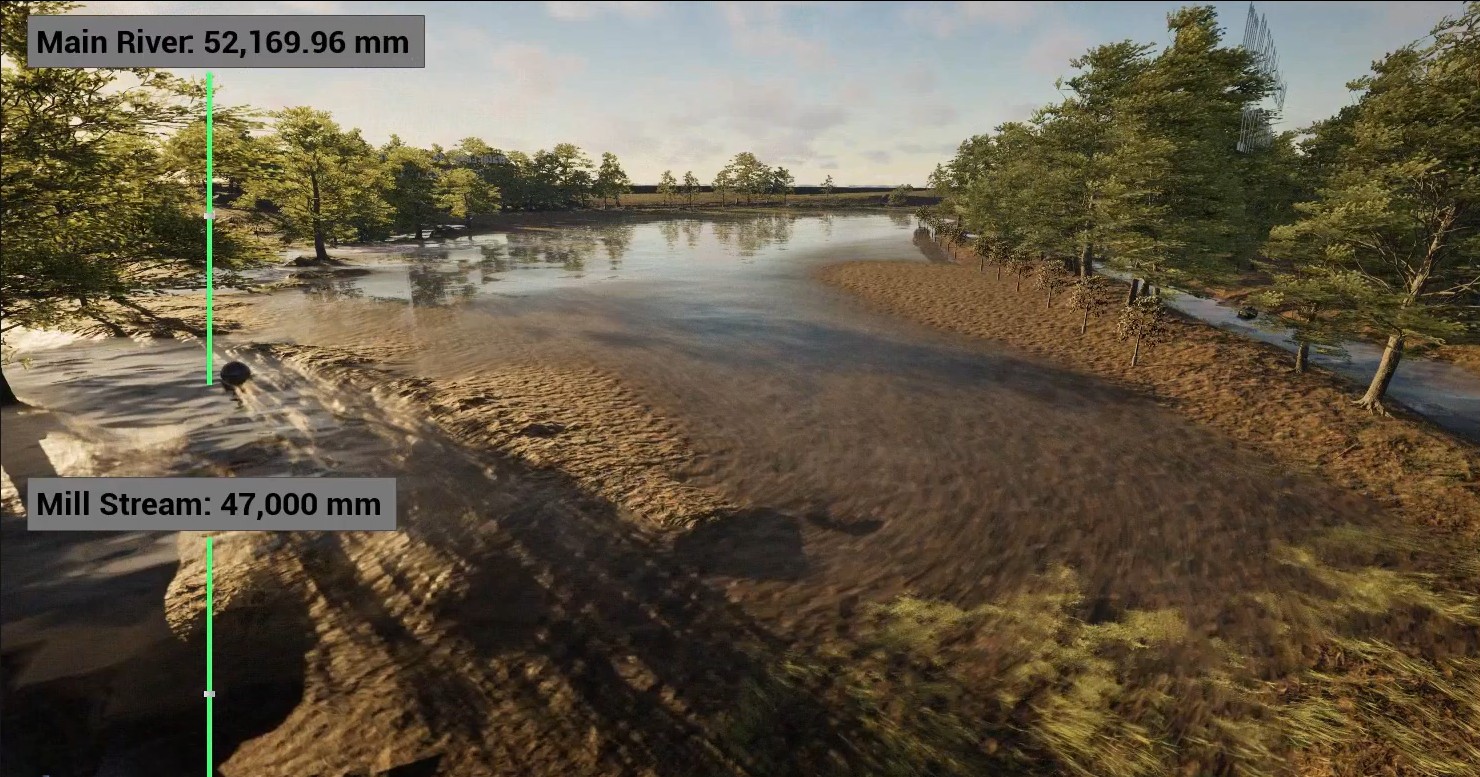
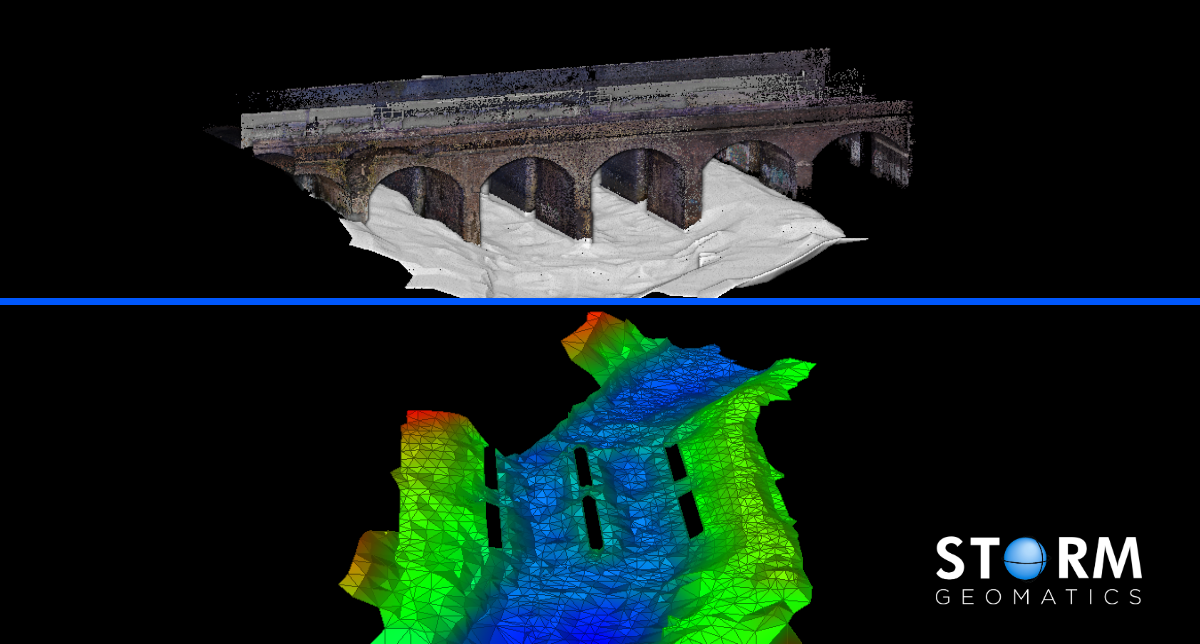
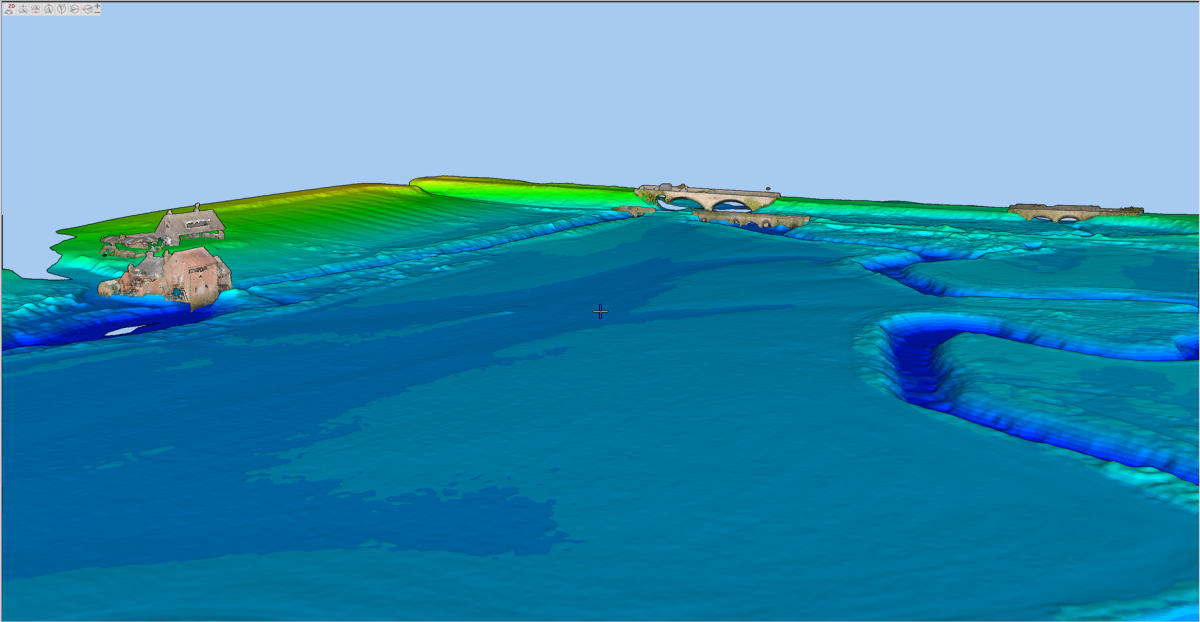
The Digital Terrain Model (DTM) River Digital Twin® is a modelling‑ready terrain surface derived from high‑resolution point cloud data. It includes structured break lines, channel geometry, floodplain features, and key landform features that determine how water and sediment move through the landscape.
Think of it as the river system’s digital surface: precise, corrected, and ready to go, without the days or weeks of classification, cleaning, and surface editing that can delay the model delivery.
This DTM Stage Matters Because…
1. It accelerates modelling and improves accuracy
With a clean hydrologically correct DTM, modellers can jump straight into 1D, 2D, or 3D hydraulic analysis. This means:
- More stable models
- More accurate flood extents
- Better representation of low‑flow pathways, berms, and bank features
- Reduced rework in design
2. It transforms the quality of design decisions
From crest levels to tie‑ins, spill pathways to morphological enhancements, the DTM ensures decisions are based on data, not assumptions. This significantly reduces uncertainty for many definitions of stakeholders; engineers, developers, councils, and asset managers.
3. It makes risk and opportunity visible
Clear, intuitive visuals allow non‑technical stakeholders such as planning officers, landowners or community groups to understand what the data means and why it matters. Obtaining “buy-in” to the investment in the greater project.
Ecological and Habitat Intelligence Built In
While the DTM River Digital Twin® is incredibly powerful for flood, engineering and asset workflows, its ecological value is equally transformative.
A well‑constructed DTM can:
- Models wetting and drying cycles essential for wet grasslands, wetlands and riparian habitats
- Identify depressions, backwaters and natural refuge areas for fish, invertebrates and birds
- Supports river restoration from re‑meandering to floodplain reconnection to weir removal
- Provide a foundation for biodiversity mapping, ecohydrological assessments and soil moisture proxies
This level of habitat intelligence enables ecologists and conservationists to plan interventions with precision, ensuring that nature‑based solutions work with the river, not against it. A DTM reveals floodplain response when rivers spread, pause and reconnect, allowing habitat opportunities to be identified before modelling begins.
Typical Uses of the DTM River Digital Twin®
The DTM is the engine behind a vast range of hydrological, ecological, and operational tasks, including:
- Preparing 1D/2D model geometries and inundation mapping
- Designing flood alleviation schemes and Natural Flood Management features
- Testing overtopping, breach, blockage and flow‑diversion scenarios
- Supporting investment cases and options appraisal
Whether you’re planning a capital works programme, restoring habitats, or assessing climate resilience, the DTM River Digital Twin® is the essential technical starting point. A great real life example can be found in our case study.
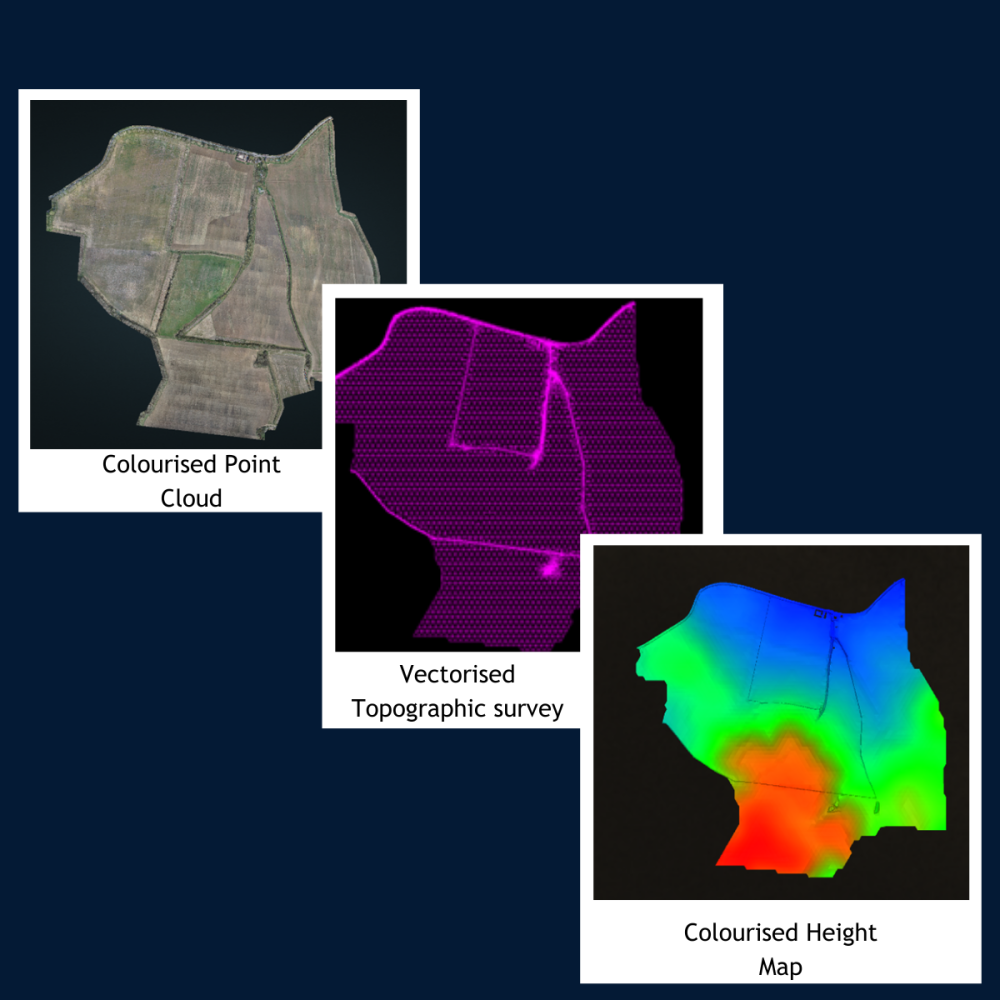
Why the DTM Should Be Stage 2 in Every River Digital Twin® Roadmap
Because without a robust, hydrologically correct DTM, a Digital Twin is just a visualisation.
With it, however, you can unlock:
- Faster modelling
- Stronger evidence bases
- Clearer ecological insight
- Higher‑quality design
- Better collaboration and communication
And ultimately—better decisions for our rivers. Teams can ask better questions. What if we reconnected the floodplain?…What if we tested a breach?…What if a morphological tweak could unlock huge ecological gain?
Curious what Stage 3 unlocks?
In the next article, we move into the world of Live Environmental Sensor Digital Twins, where your DTM comes alive with real‑time intelligence.
If you’d like early access, or want to explore how a DTM could transform your next project, just drop a message to Mike Hopkins MCInstCES .